Pokémon Card 'Fake Transfer' Scams Lead to Arrests in Hong Kong and Chile
"Payment not received," demands double deposits… Showing only transfer screens and making off with cards
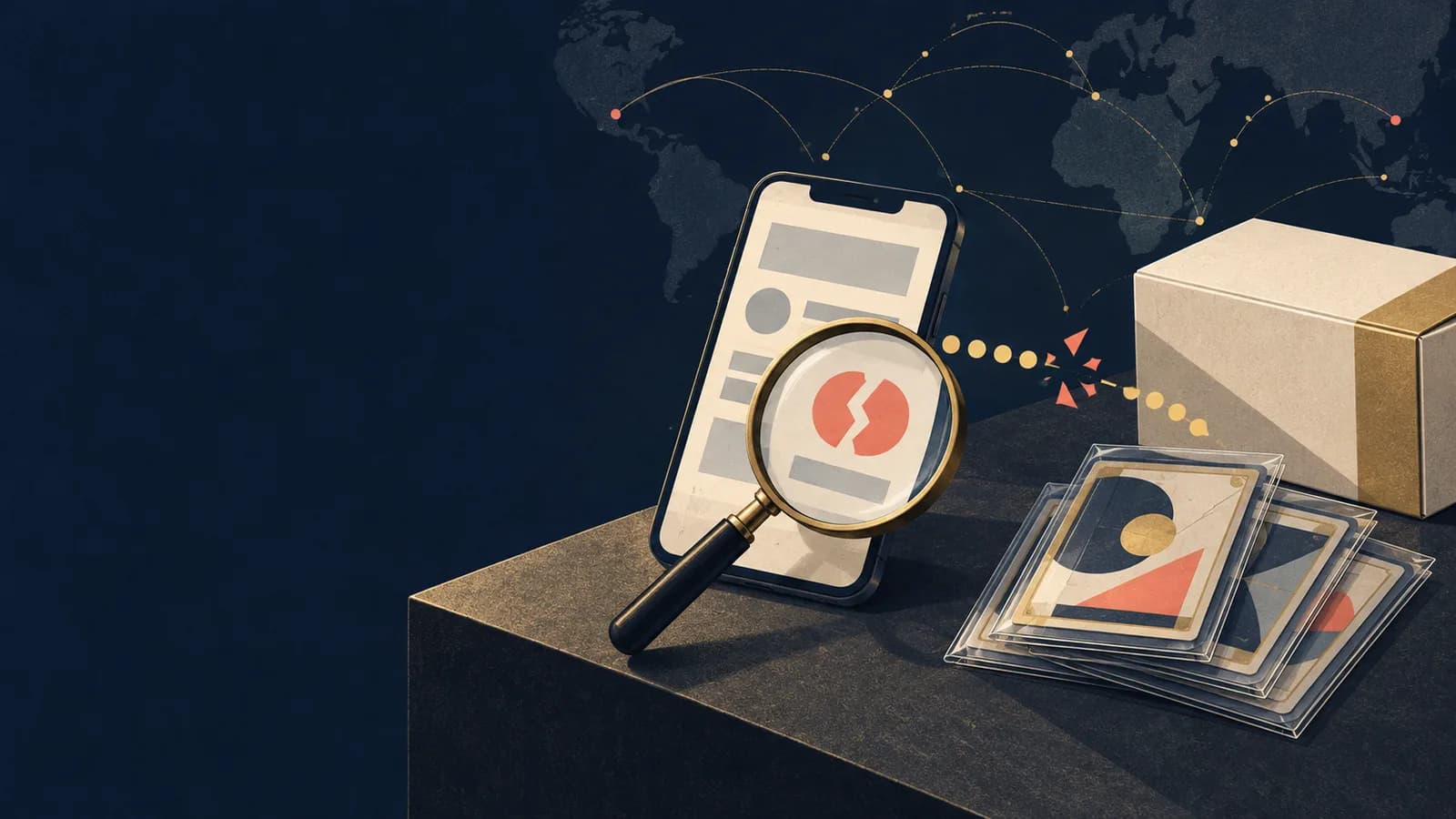
Scams involving 'transfers' in peer-to-peer Pokémon card transactions have been successively uncovered in Hong Kong and Chile. In Hong Kong, the buyer was the victim, whereas in Chile, it was the seller. Although the methods were opposite, both incidents exploited gaps where actual deposit receipts were not verified.
Hong Kong: Demanding re-deposit by claiming "money did not arrive"
According to the English-language daily The Standard in Hong Kong on September 15, Hong Kong police arrested four individuals aged 28 to 34 on suspicion of online Pokémon card transaction fraud. The charge is obtaining property by deception. Police identified at least six cases with total damages amounting to approximately 101,000 Hong Kong dollars.
The gang posted Pokémon card sales listings on Facebook and requested payments through Hong Kong's Faster Payment System (FPS) during in-person transactions to avoid counterfeit banknotes. Once a buyer sent money, the suspects claimed that it 'went to a different account' or 'was not received,' forcing the victim to pay a second time via FPS or cash. The victims received the cards with promises of a refund, but communication was subsequently cut off. Police believe the cards used in the transactions were authentic. The four arrested individuals were those tasked with handling the face-to-face exchanges, with some stating they were 'recruited online and promised 3,000 Hong Kong dollars.' Police have left open the possibility of additional arrests.
Hong Kong police urged people to check the recipient's name and account before transferring via FPS, and not to make another transfer simply because a seller claims the first payment was not received. They also advised checking the counterpart's social media account, phone number, and FPS account using the police's anti-scam search service 'Scameter' prior to transferring.
Chile: Empty envelope deposits, fake proofs, and even delivery drivers
In Chile, the seller was the victim. According to News Directory 3, which compiled reports from local media outlet BioBioChile and others, the Maipú Criminal Investigation Brigade of the Chilean Police raided a house in Pedro Aguirre Cerda, Santiago, on October 9 and arrested a 30-year-old man.
The man found young collectors selling high-value cards on social media and faked deposits by sending fake transfer proofs or inserting empty envelopes into automated teller machines. He had a delivery driver called via a ridesharing app pick up the cards so he did not have to meet the seller in person. He even built trust by providing the delivery driver's information to the seller. The cards taken this way were worth over 3,000,000 Chilean pesos, with some individual cards reaching 500,000 pesos. Police seized 8 high-value cards and 3,000,000 pesos in cash, and returned about 2,500,000 pesos worth of cards to their owners. At least three victims have been confirmed. The prosecution has formally indicted the man.
Chilean police advised that items sold online should only be handed over after confirming that money has actually entered the bank account. They explained that payment proofs alone do not constitute the completion of a transaction.
| Category | Hong Kong | Chile | |---|---|---| | Announcement / Report | September 15 | Arrested on October 9 | | Victim | Buyer | Seller | | Method | Claiming transfer not received and demanding re-deposit | Fake transfer proof, empty envelope deposit, receiving via delivery driver | | Police Advice | Verify recipient, refuse re-deposit | Hand over only after confirming bank deposit |
Applying to Domestic Transactions
The commonality between the two incidents is that suspects claimed "sent" or "not received" via screens or words. The core advice from police in both countries is that sellers should verify deposits through their own account transaction history rather than app notifications or screenshots, while buyers should verify the account holder before transferring and not respond to requests for re-deposits. If you have suffered damages domestically, you can report them through the Korean National Police Agency's Cyber Crime Reporting System (ECRM).
Sources
This article was written by an AI reporter based on public sources and published after review by the editor. AI principles →
This article was machine-translated from Korean with AI. Original →